How to choose a dutch oven
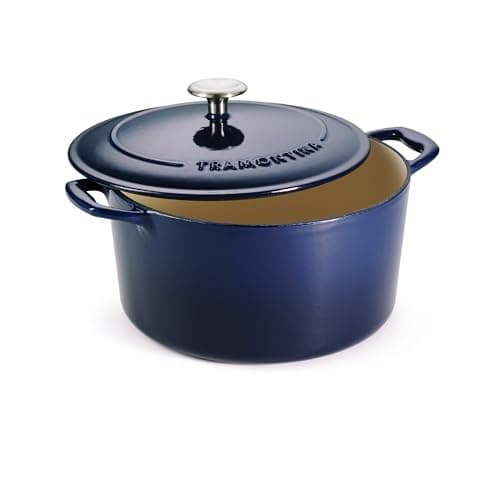
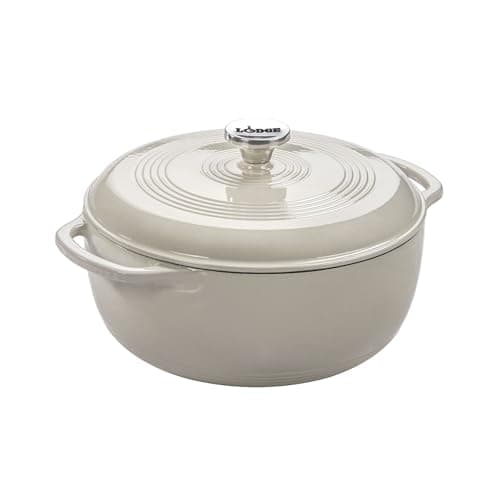
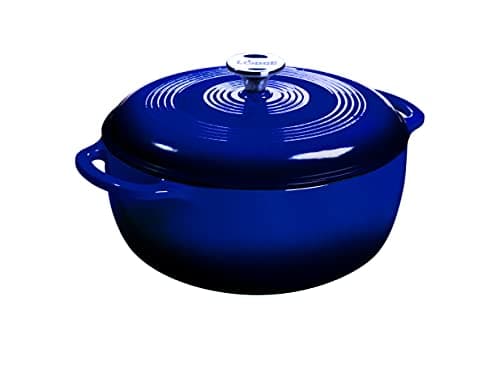
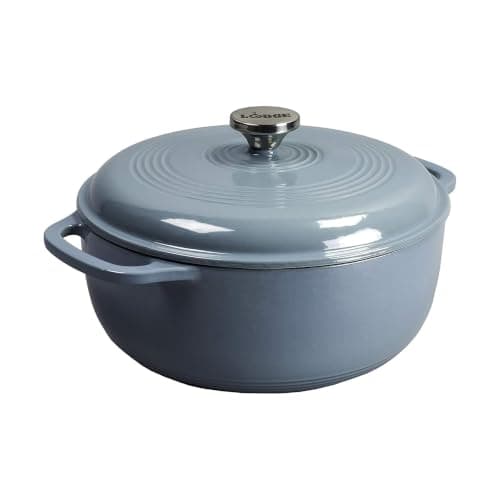
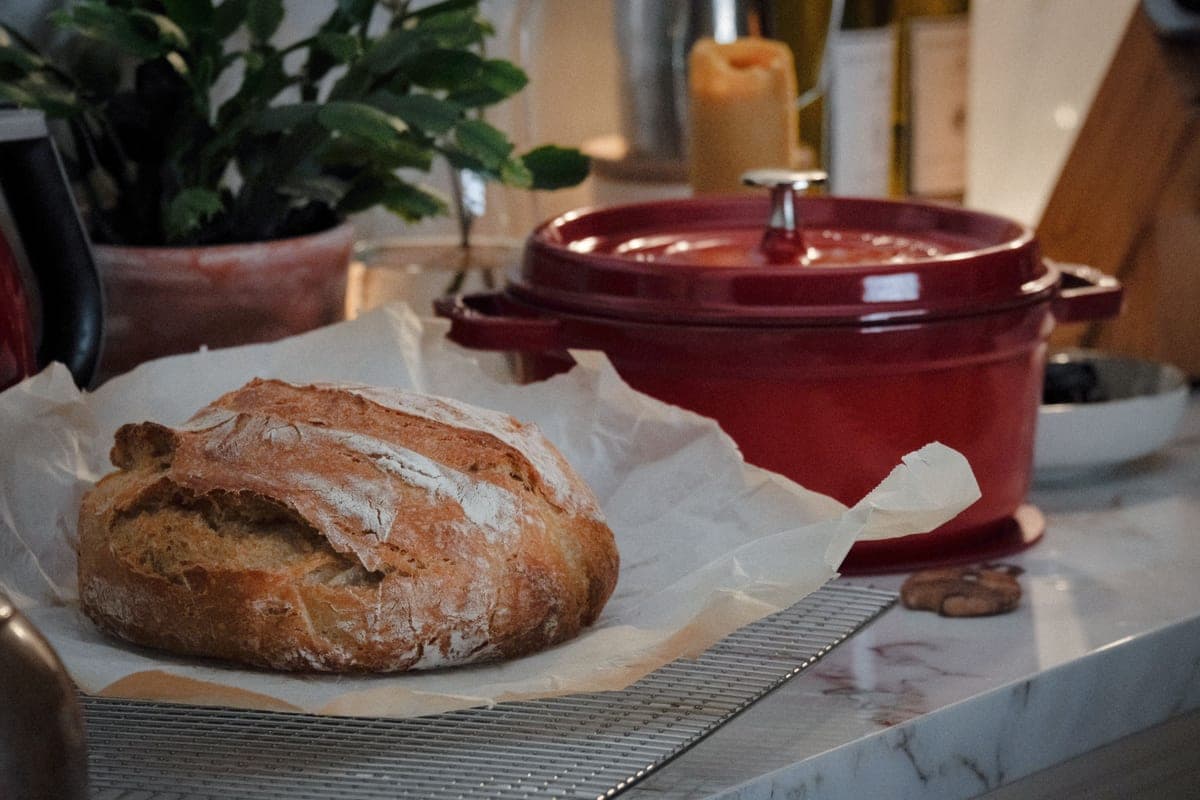
Enameled or bare? Choose enameled unless you specifically want a cheaper pot for bread and don’t mind seasoning it. Enameled is the safer default because it handles the acidic braises dutch ovens are for. What size? A 5.5 to 6-quart round pot feeds a family and still fits a boule of bread; see our size guide if you’re cooking for one or for a crowd, and our small dutch oven picks if 2 to 4.5 quarts is the band you are shopping, or our large dutch oven picks for 7 quarts and up. How much to spend? The cooking is the same from $90 to $300 — you pay up for tougher enamel, a lighter body, and a light-colored interior that makes it easier to see when a sauce is browning.
Why enameled costs more (and when bare is smarter)
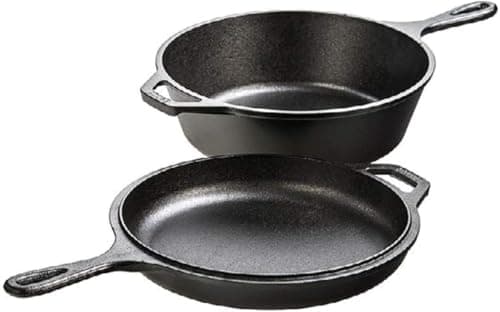
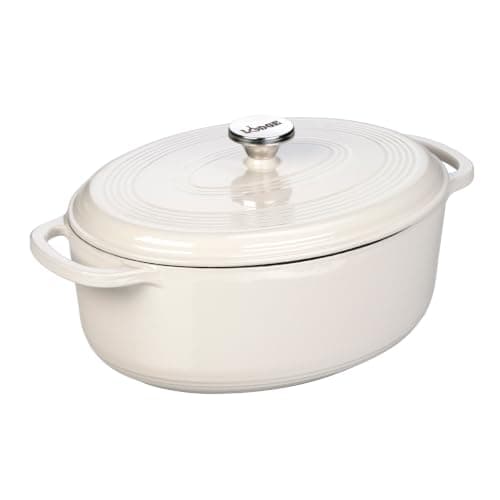
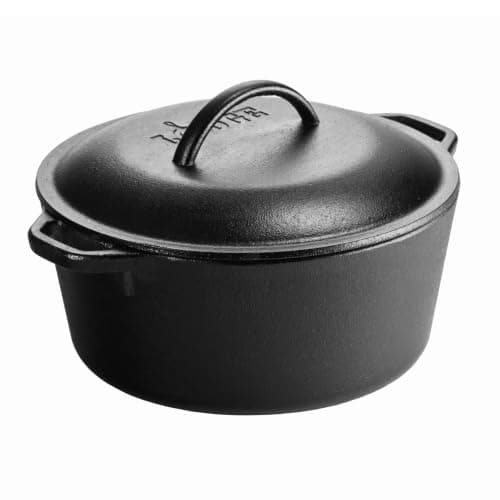
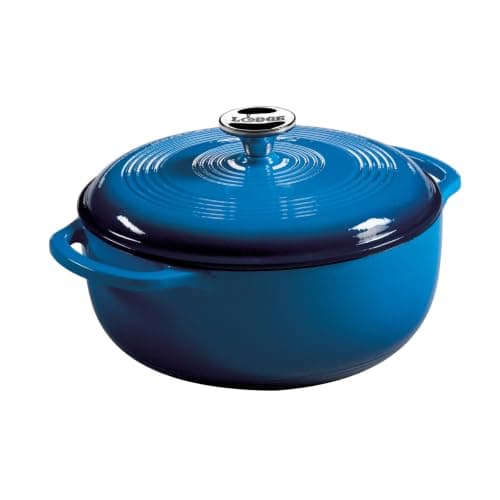
Enamel is a glass coating fused to the iron. It’s what lets you simmer a tomato ragù for hours without a metallic taste, and it means no seasoning to maintain. A bare cast iron dutch oven skips the enamel, so it’s cheaper and takes any oven temperature — genuinely better for high-heat bread baking — but you have to keep it seasoned and avoid long acidic cooks in it. If bread is your main goal, a bare pot (or the combo cooker) is the smarter buy; see our sourdough picks and the bare cast iron dutch oven roundup. The full row-by-row version of this decision is in enameled vs bare cast iron.
Not sure a dutch oven is even the pot you need?
Fair question, and the answer depends on what you cook. Our plain-English explainer covers what actually makes one and the four jobs it does better than anything else. If you’re weighing it against something else on the shelf, we compare it to a slow cooker, a stock pot and a braiser — three pots that look similar and are built for different things. If bread is the only thing you want it for, the question changes, and dutch oven vs bread cloche sets it against the domed ceramic, clay and cast iron bakers sold for nothing but loaves.
Le Creuset vs Staub vs the budget pots
The two French names cook the same as the budget pots; the differences are finish and feel. We break down the specific case for spending three times more in our Le Creuset vs Staub comparison and across the enameled cast iron guide. The sharpest version of the question — the same braise out of a $90 pot and a $400 one — is in Lodge vs Le Creuset. If you would rather compare the makers than the pots — where each one casts, what oven ceiling it publishes, and which two publish no warranty at all — start with best dutch oven brands.
First pot, campfire pot, and what to do with it
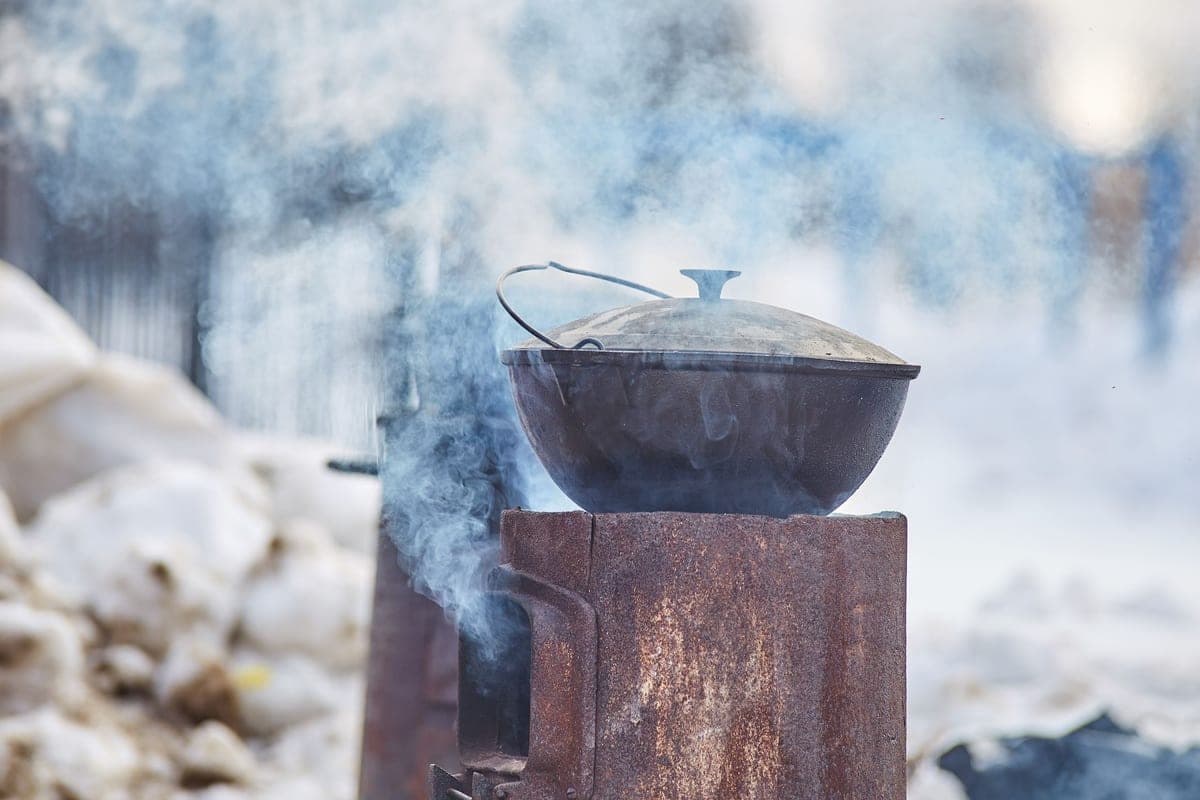
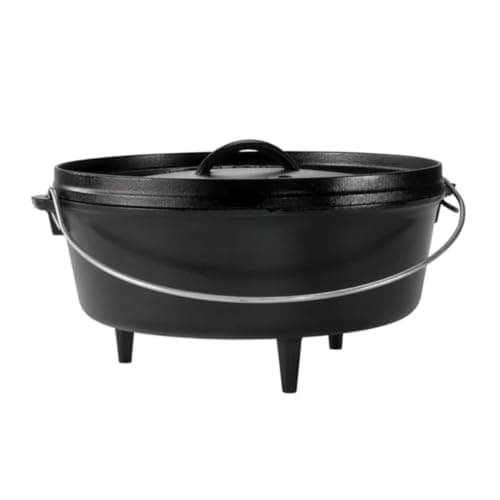
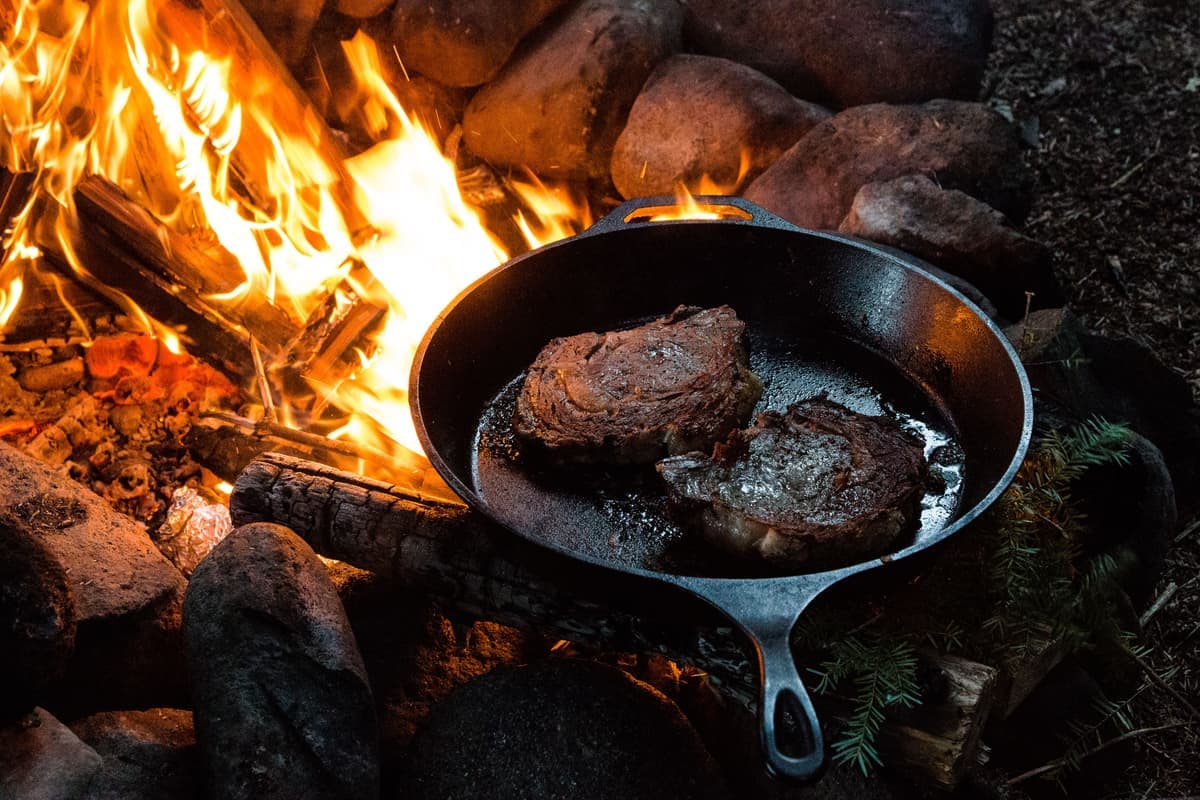
If this is your first dutch oven, the best dutch oven for beginners reduces the decision to three questions and answers each one. If you cook over coals rather than a hob, a camp oven is a different object entirely — legs and a flanged lid that holds briquettes — and best camp dutch ovens covers the sizes, the coal ratios and the kit you need alongside the pot. And once the pot is in the kitchen, how to use a dutch oven walks the one sequence — brown, deglaze, lid on, oven — that covers most of what it is for. If the pot is mainly for soup and stew, best dutch ovens for soup and stew ranks them on a different set of criteria entirely — the oven ceiling stops mattering, enamel wins outright, and the USDA has something specific to say about cooling a big iron pot of soup.