Buying Guides & Comparisons
The decisions people get stuck on — cast iron versus carbon steel, what to buy first, and how to read a cast iron spec sheet before you spend.
Most cast iron advice online skips the part you actually need: not which pan is best in the abstract, but which one is right for you, and why one costs $25 and another costs $300 when they’re made of the same metal. These guides answer the decisions people get stuck on before they buy.
The short version, if you want it now: for a first pan, a 10 to 10.25-inch skillet is right for almost everyone, and the $25 Lodge is genuinely all the skillet most people need. Everything more expensive buys you a lighter body, a smoother surface or a nicer handle — real comforts, but not better cooking. Our beginner’s guide walks you through that first purchase and the handful of things that trip newcomers up.
If you’re weighing cast iron against the alternative, the cast iron vs carbon steel comparison lays out the real trade — thick, heavy, heat-holding iron versus thinner, lighter, more responsive steel — with a clear pick for each kind of cook. And the complete buying guide is the deep one: how to read weight, cooking surface, finish and oven-safe temperature, and how we model the true ten-year cost of ownership. That last part is the whole reason this site exists. A cast iron pan lasts a lifetime whether it cost $25 or $300, so the honest way to compare them isn’t the sticker price — it’s the price spread over the years and meals you’ll get out of it. On that basis the cheap pans win by a distance, and we show the math rather than asking you to trust us. We haven’t cooked in every pan we compare; we read the specs, do the arithmetic, and cite the sources.
The rest of this section handles the head-to-heads people get stuck on. Cast iron vs stainless steel is the other big pan question — one metal stores heat, the other moves it, and that single difference decides which sears better and which makes a pan sauce. On the pot side, we compare a dutch oven against a slow cooker (one browns, the other babysits), against a stock pot (heavy and oven-safe versus tall, light and cheap), and against a braiser (tall and deep versus short and wide). Each one ends with a recommendation rather than a shrug.
Four more guides round the section out. If you want to understand the material before you shop, what is cast iron explains the single fact — how much carbon is in the metal — that accounts for the weight, the heat retention and the seasoning. Cast iron vs nonstick is the other comparison people arrive with, and it is really a question about lifespan rather than cooking — and its sibling, cast iron vs ceramic cookware, separates the two different things that word is sold as and judges both on the coating makers’ own heat and utensil rules. Buying vintage cast iron covers Griswold, Wagner and the rest — how to read the markings and, more usefully, the three faults that should make you walk away. And the cast iron gift guide sorts the picks by budget and by how much the recipient already owns, which is the question that actually decides whether a gift gets used.
For the holidays, that gift guide now has a full set of lists behind it, each one built for someone buying for a cook rather than for themselves: by budget — under $50, under $150 and the heirloom list — and by person — bread bakers, campers and weddings and housewarmings. Every pick on them is a pan we already rank, with the same live price. And because the question behind most of those purchases is “should I wait for the sale,” the Black Friday and Cyber Monday cast iron hub records what has actually happened to cast iron prices in past Novembers, class by class, and says which pans to buy now and which to wait on. Nothing on it is a prediction; when deals go live, they are posted there.
The vintage lane has grown too, because old iron is where buyers most often get told something confident and wrong. What the numbers on cast iron mean prints the full measured size chart — a No. 8 skillet is 10.625 inches, not 8 — and separates size numbers from pattern numbers. Wagner cast iron identification gives the four dates the collectors’ society actually publishes, and says plainly that no Wagner dating chart exists. And unmarked cast iron identification covers the pan with nothing on the bottom, including the honest limit: the society’s own moderators attribute these by eye, not by a published key. The easiest pan of all to date is the one still in production: Lodge cast iron identification uses the company’s own dated timeline as a set of before-and-after tests, from the 1896 Blacklock Foundry to the end of hand-pouring in 1965 and the arrival of foundry seasoning in 2002.
Everything in Guides
Black Friday & Cyber Monday Cast Iron Deals 2026
What actually goes on sale in cast iron, what rarely does, and whether to buy now or wait — with the live price on every pick and the deals posted here when they go live.
Top pick
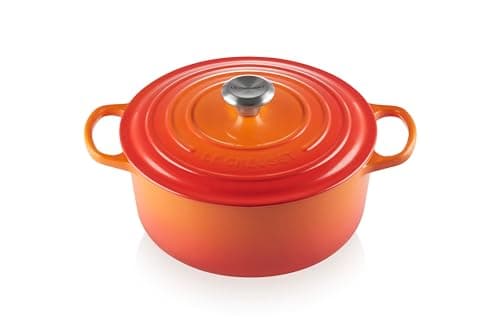
Le Creuset Signature Round Dutch Oven, 5.5 qt
Best Cast Iron Gifts Under $50
Six gifts that don't read as cheap because the object is obviously solid — the first pan, the family pan, the griddle, the loaf pan and the tools.
Top pick
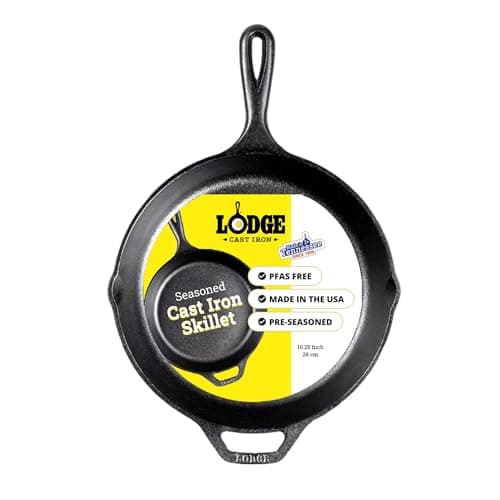
Lodge Classic 10.25-inch Skillet
$24.90 · View on AmazonPrice as of October 21, 2026. #ad How we’re funded
Best Cast Iron Gifts Under $150
The band where you can give a shape they don't own — an enameled pot, a bread cooker, a braiser, a lighter skillet or a boxed set.
Top pick
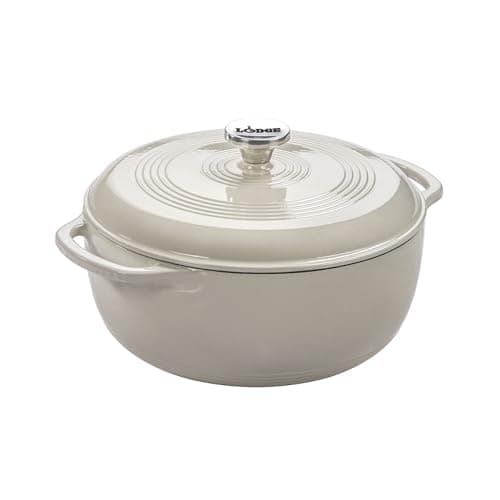
Lodge Essential Enamel Dutch Oven, 6 qt
$89.99 · View on AmazonPrice as of October 21, 2026. #ad How we’re funded
Heirloom Cast Iron Gifts: The No-Budget List
French enamel and machined American iron — what the money actually buys, and the one recipient it lands with.
Top pick
Le Creuset Signature Round Dutch Oven, 5.5 qt
Best Cast Iron Gifts for Bread Bakers
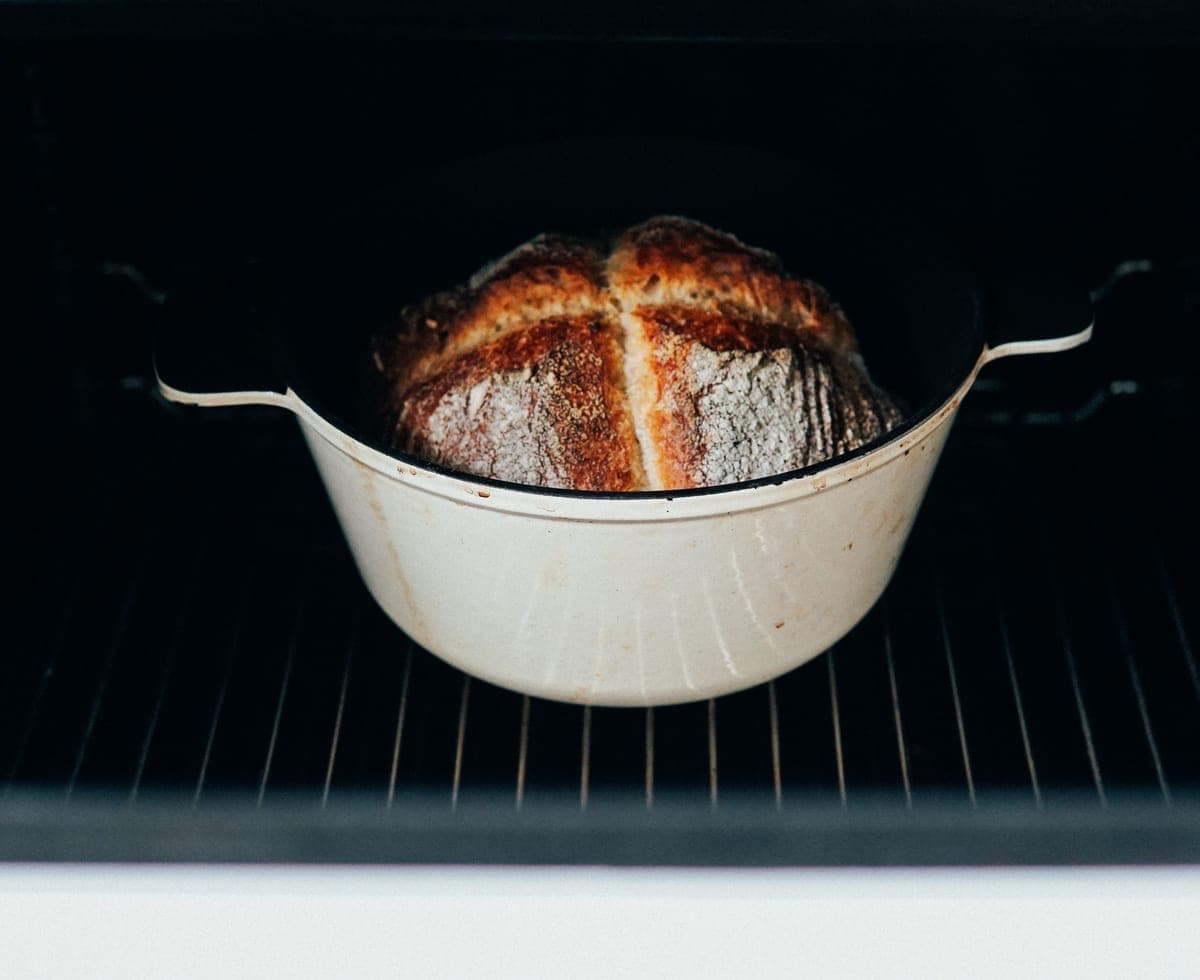
The sourdough person is the easiest cast iron recipient there is — if you buy the lidded shape they need and not the pot they already have.
Top pick
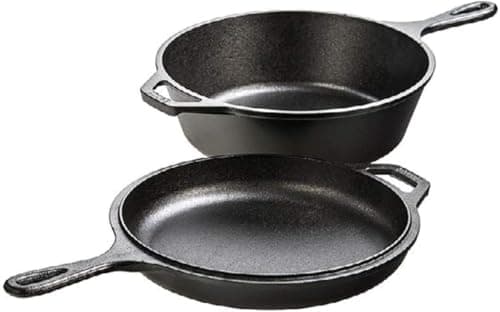
Lodge Cast Iron Combo Cooker, 3.2 qt
$59.90 · View on AmazonPrice as of October 21, 2026. #ad How we’re funded
Best Cast Iron Gifts for Campers & Outdoor Cooks
Legged camp ovens, a two-burner griddle and the pieces that work over coals — and the one check that stops a camp oven becoming a kitchen ornament.
Top pick
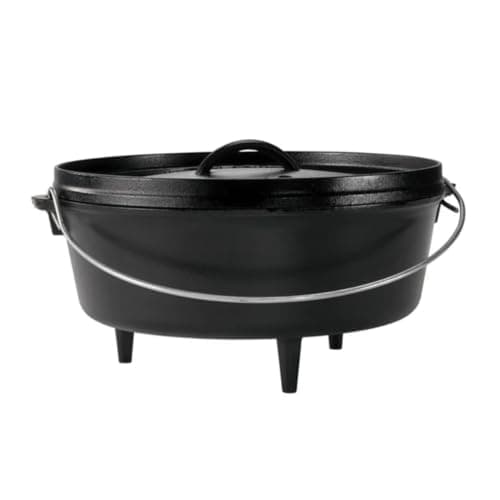
Lodge Deep Camp Dutch Oven, 6 qt (12 in)
$79.90 · View on AmazonPrice as of October 21, 2026. #ad How we’re funded
Best Cast Iron Wedding & Housewarming Gifts
The one occasion where a boxed set makes sense — plus the registry showpiece, the sensible enameled pot and the small-apartment answer.
Top pick
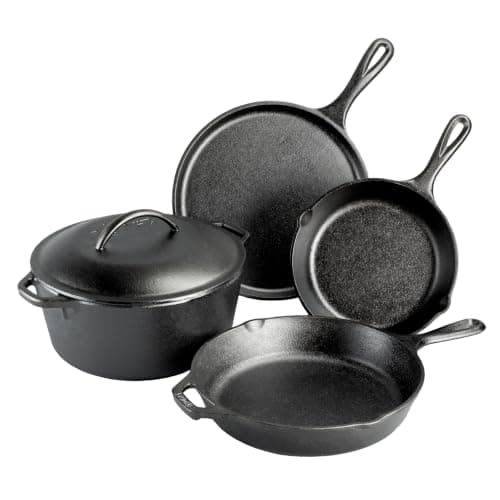
Lodge Seasoned Cast Iron 5-Piece Set (L5HS3)
$98.98 · View on AmazonPrice as of October 21, 2026. #ad How we’re funded
Cast Iron vs Carbon Steel: Which Should You Buy?
Same idea, different metal. Heat retention, weight, seasoning and price compared, with a clear pick for each kind of cook.
The Best Cast Iron Skillet for Beginners
If you've never owned cast iron, start here — the one pan, the one size, and the three things that trip people up.
Top pick
Lodge Classic 10.25-inch Skillet
$24.90 · View on AmazonPrice as of October 21, 2026. #ad How we’re funded
The Complete Cast Iron Buying Guide
How to read weight, cooking surface, finish and price — and how we model the ten-year cost of a cast iron pan.
Cast Iron vs Stainless Steel: Which Pan Should You Use?
Stored heat versus conductivity. Which pan sears better, which handles a pan sauce, and why most kitchens want both.
Dutch Oven vs Slow Cooker (and Crock-Pot)
One browns and the other babysits. What each actually does to a braise, and which one earns its counter space.
Dutch Oven vs Braiser: What's the Difference?
Tall and deep against short and wide — and why the shallow one browns so much better than people expect.
Top pick
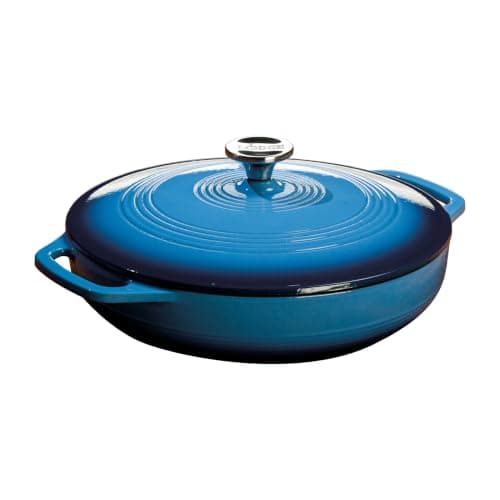
Lodge Essential Enamel Braiser, 3.6 qt
$79.90 · View on AmazonPrice as of October 21, 2026. #ad How we’re funded
Dutch Oven vs Stock Pot: Which Do You Need?
Heavy and oven-safe against tall, light and cheap. Two pots that look similar and are built for opposite jobs.
What Is Cast Iron?
Iron with enough carbon in it to pour — why that one fact explains the weight, the heat retention and the seasoning.
Cast Iron vs Nonstick: Which Pan Do You Need?
One sears and lasts forever; the other releases an egg and wears out. The case for owning both, and which to buy first.
The Cast Iron Gift Guide
What to buy the person who has hinted about cast iron — sorted by budget, and by how much they already own.
Top pick
Lodge Cast Iron Combo Cooker, 3.2 qt
$59.90 · View on AmazonPrice as of October 21, 2026. #ad How we’re funded
Buying Vintage Cast Iron: Griswold, Wagner and the Rest
How to read the markings, what a fair price looks like, and the three faults that make an old pan worth walking away from.
Griswold Cast Iron Identification
The logo, the pattern number and the heat ring date a pan to within a decade — using the collectors' society's own chart.
Cast Iron Skillet vs Dutch Oven
Same metal, opposite jobs: an open surface for dry heat against a sealed box for wet heat. Which to buy first.
Cast Iron vs Cast Aluminum
2.8 lb against 11.64 lb for the same capacity — and everything good and bad about each pot follows from it.
Dutch Oven vs Cocotte
Mostly the same pot with a different passport — but the interior enamel, the knob and the mini cocotte are real differences.
Dutch Oven vs Casserole Dish
One goes on a burner; the other is forbidden from it by its own maker. That rule decides which recipes each can cook.
Cast Iron Made in the USA
Five American foundries, competing at $25, $100 and $200 — and what buying American here does and doesn't buy you.
Top pick
Lodge Classic 10.25-inch Skillet
$24.90 · View on AmazonPrice as of October 21, 2026. #ad How we’re funded
Is Cast Iron Cookware Safe?
Iron leaching, seasoning chemistry, rust and old pans — what public health sources actually say, and the one group who should ask a doctor.
Does Cooking in Cast Iron Add Iron to Your Food?
It does, and the peer-reviewed evidence is real — but the NIH's own encyclopedia calls it a very small source most of the time. What raises the transfer, and what it is worth.
Cast Iron vs Ceramic Cookware
“Ceramic” is a coating on metal and a solid clay pot sharing one word. Both compared to iron on the makers' own heat limits, utensil rules and published lifespan.
Wagner Cast Iron Identification
Wagner has no dating chart, which is why so much Wagner dating online is confident and unsourced. The four published date anchors, and what the marks actually support.
Unmarked Cast Iron Identification
You can date an unmarked pan and you cannot attribute it. The gate mark, the heat ring, the wall thickness — and the collectors' own forum showing the honest limit.
What Do the Numbers on Cast Iron Mean?
A No. 8 skillet is 10.625 inches, not 8. The full measured size chart, what pattern numbers and letters identify, and why Field and Lancaster still sell by number.
Lodge Cast Iron Identification
Lodge publishes no mark chart — it publishes a dated company timeline, and that is enough to place most pans. Five anchors, including the 1965 machine that ended hand-pouring.