Seasoning & Care
How to season, clean and rescue cast iron — plain, step-by-step, and sourced from manufacturer care guides rather than kitchen folklore.
Cast iron has a reputation for being fussy. It isn’t — it’s just surrounded by folklore, most of it wrong. You can use soap. You don’t need to hide it from water. A rusty pan is almost never ruined. Nearly everything that makes cast iron seem high-maintenance comes down to two simple habits: keep a thin layer of seasoning on it, and dry it completely before you put it away.
That’s really the whole job. Seasoning is the hard, slick, dark layer that makes a pan release food and shrug off rust. It isn’t a coating you buy — it’s cooking oil that has been baked onto the iron until it polymerizes into a plastic-like film bonded to the metal. Every pan we recommend ships pre-seasoned, so you’re never starting from bare iron; you’re just maintaining and slowly building what’s already there, mostly by cooking with a little fat and cleaning gently.
The three guides below cover the whole lifecycle. Start with seasoning if your pan is sticky or dull, or if you want to build a stronger base. Use the cleaning guide to settle the soap question once and for all and to learn the one step that actually matters — drying. And if you’ve inherited or neglected a pan into orange rust, the rust removal guide will tell you how to strip it and bring it back, which is easier and more forgiving than most people fear. Everything here is drawn from manufacturer care instructions and published sources, not kitchen superstition — each guide lists exactly what it’s based on.
Three more guides cover the questions that come up around those. If your pan has just arrived, using cast iron for the first time walks through the first hour and the first fortnight — including what to cook and what to leave alone until the surface has built up. If the seasoning has gone genuinely wrong — sticky, flaking, or built into thick black lumps — adding more oil on top won’t help, and how to restore cast iron covers stripping it back to bare metal and rebuilding properly. And if you just want to know which oil to use, the seasoning oil guide explains why smoke point is the only spec that matters, and why the bottle already in your cupboard is almost certainly fine.
Four shorter guides answer the questions that come up once a pan is in daily use. If the surface has gone tacky and gummy, why is my cast iron sticky explains the one mistake behind almost every case and how to undo it. How to store cast iron covers the two-second habits that stop a pan rusting in a cupboard — and the sealed-lid trap that catches dutch ovens. If your kitchen has a smoothtop, cast iron on a glass top stove sets out what the cooktop makers themselves say about scratching. And can you cook tomatoes in cast iron settles the acid question properly: not never, but not for three hours either.
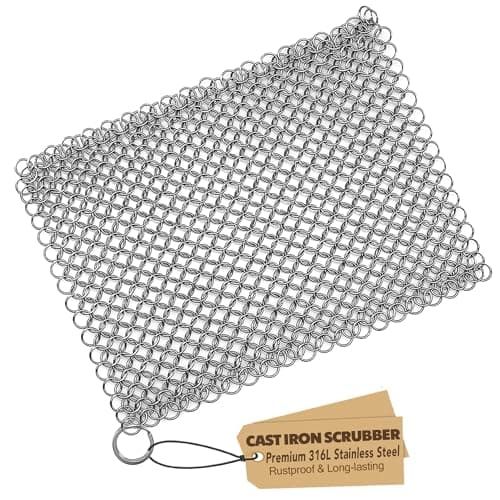
Two pages cover the gear rather than the method. The tools — scrapers, chainmail, handle holders, lids and a press — are ranked in best cast iron accessories, which is also where you will find the two facts Lodge publishes and almost nobody repeats: the silicone handle holder is not oven-safe, and the glass lid stops at 400°F. What goes on the pan — oils, sprays and wax tins — is compared separately in cast iron seasoning products. And if your kitchen has a smoothtop, the pans themselves are ranked for it in best cast iron for a glass top stove — six picks chosen on base smoothness, a weight you can lift rather than slide, and GE’s own one-inch overhang rule, with GE’s blunt “not recommended” quoted in full rather than buried. If that smoothtop is an induction top, the logic inverts and so does the ranking: best cast iron for an induction cooktop is built on the fact that the burner heats the iron rather than the glass, which is why Whirlpool names cast iron first among compatible materials. And when a pan fills the kitchen with smoke — on any cooktop — why is my cast iron smoking separates the four causes, three of which are fixed in under a minute. Gas completes the cooktop set, and it is the one where no appliance maker objects to cast iron at all — best cast iron skillets for a gas stove ranks the pans on flame reach, grate fit and the handle a flame heats.
Four questions come up more than any others, and each now has a page built around what the makers themselves publish. Can you use soap on cast iron answers the oldest argument in cast iron with Lodge’s own cleaning instruction, which begins with warm soapy water. How to tell if cast iron is seasoned gives four checks that take two minutes, including the only one that measures what seasoning is actually for. And how to preheat a cast iron skillet covers the step that causes most sticking complaints — three to five minutes on medium-low, per Lodge, and a different rule entirely for enamel.
One thing none of these covers: enameled cast iron, which has no seasoning at all and a completely different set of rules. If that’s what you own, how to clean enameled cast iron is the guide you want instead.
Everything in Care & Seasoning
How to Season a Cast Iron Skillet
The thin-coat, high-heat method that actually builds a hard, non-stick layer — and the mistakes that leave it sticky.
How to Clean a Cast Iron Skillet
Yes, you can use soap. The right way to clean cast iron after cooking, and how to dry it so it never rusts.
How to Remove Rust from Cast Iron
A rusty pan is almost never ruined. How to strip the rust, re-season, and bring a neglected skillet back to life.
How to Restore Cast Iron
Sticky, flaking or black-and-patchy? Strip the old seasoning back to iron and start again, step by step.
The Best Oil to Season Cast Iron
Smoke points, flaxseed's flaking problem, and why the oil already in your cupboard is very likely fine.
Using Cast Iron for the First Time
Your pan just arrived. What to do in the first hour, the first week, and the mistakes that cost people a good surface.
Why Is My Cast Iron Sticky?
A tacky, varnish-like surface has one cause almost every time — too much oil. How to strip it back and get it right.
How to Store Cast Iron
Where rust actually comes from in a cupboard, and the two-second habits that stop it — stacking, lids and long storage.
Can You Use Cast Iron on a Glass Top Stove?
Yes — and the cooktop makers tell you exactly how to avoid the scratches everyone worries about.
Can You Cook Tomatoes in Cast Iron?
The metallic-taste question, settled: what acid does to seasoning, how long is too long, and when to reach for enamel.
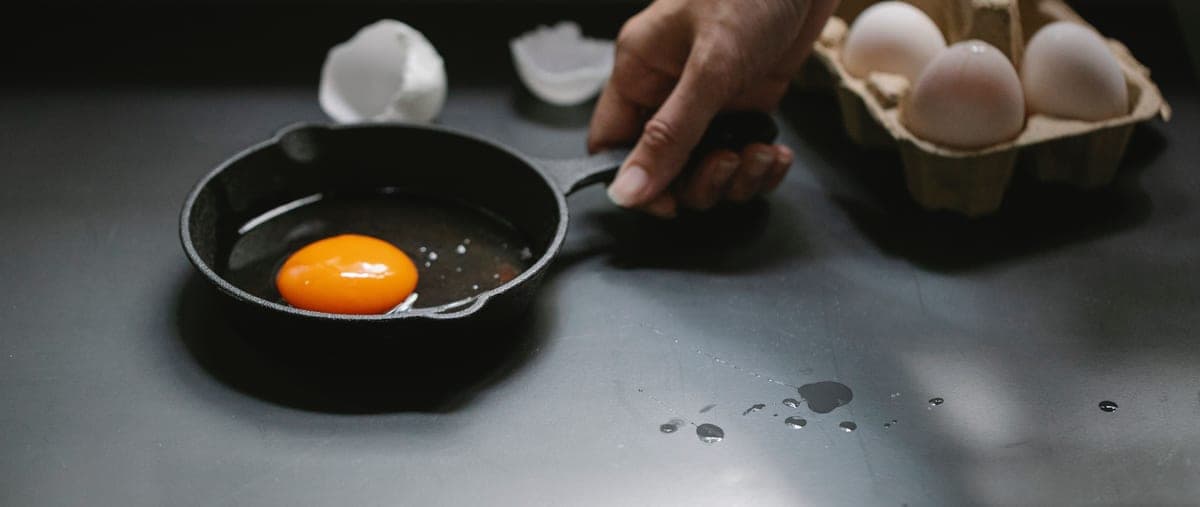
Why Do Eggs Stick to Cast Iron?
Four causes, and the pan is the least important of them. The fried-egg method that actually releases.
Black Residue on Cast Iron: What It Is
Loose carbon, flaking seasoning or burnt-on fat — three problems described the same way, with three different fixes.
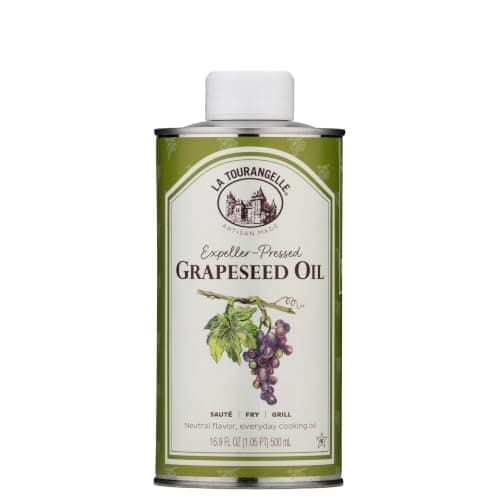
Cast Iron Seasoning Products Compared
Grapeseed, flaxseed and the branded tins on their published ingredients — and whether any of them beats a $7 bottle of the oil the premium makers themselves specify.
Top pick
La Tourangelle Expeller-Pressed Grapeseed Oil (16.9 fl oz)
Best Cast Iron Accessories
Seven tools worth owning, ranked on what the makers publish — including the two facts Lodge prints itself: the handle holder is not oven-safe, and the glass lid stops at 400F.
Top pick
TOPULORS 316L Stainless Chainmail Scrubber (8 x 6 in)
Best Cast Iron for a Glass Top Stove
Five pans ranked for a smoothtop on what the makers publish: base smoothness, a weight you can lift rather than slide, and GE's own one-inch overhang rule.
Top pick
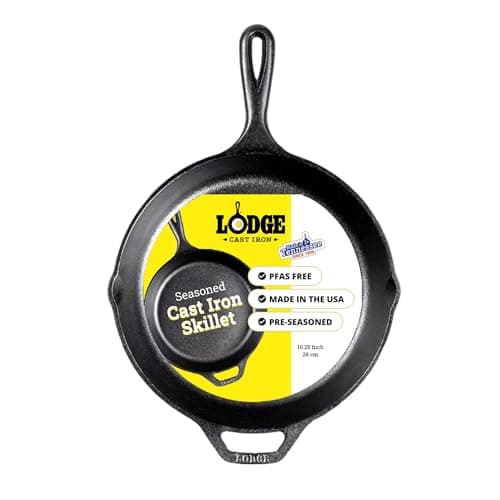
Lodge Classic 10.25-inch Skillet
$24.90 · View on AmazonPrice as of October 21, 2026. #ad How we’re funded
Can You Put Cast Iron in the Oven?
Bare iron has no published ceiling. Everything attached to it does — the glass lid stops at 400F, one Le Creuset knob at 390F, and the handle holder is not oven-safe at all.
Best Cast Iron for an Induction Cooktop
Induction heats the iron itself rather than the glass, which makes cast iron the ideal material and changes which specs matter — base diameter, detection and lower settings.
Top pick
Lodge Classic 10.25-inch Skillet
$24.90 · View on AmazonPrice as of October 21, 2026. #ad How we’re funded
Why Is My Cast Iron Smoking?
Four causes, three fixable in a minute — and one case where the smoke is the point, because seasoning only forms above the oil's smoke point.
Best Cast Iron Skillets for a Gas Stove
The one cooktop where cast iron is simply allowed: GE says most skillets do fine on gas if you heat them slowly. What changes is flame reach, grate fit and the handle.
Top pick
Lodge Classic 10.25-inch Skillet
$24.90 · View on AmazonPrice as of October 21, 2026. #ad How we’re funded
Can You Use Soap on Cast Iron?
Yes — and Lodge's own three-step cleaning instruction begins with soapy water. The myth made sense in 1950 and stopped being true when lye left dish soap.
How to Tell If Cast Iron Is Seasoned
Four checks you can run in two minutes — colour, sheen, water beading and the egg test — and the one that tells you to stop worrying about it.
How to Preheat a Cast Iron Skillet
Lodge's own number is three to five minutes on medium-low, and nearly every sticking complaint on this site traces back to breaking it. Bare iron, enamel and the oven each want something different.