What you’re actually paying for
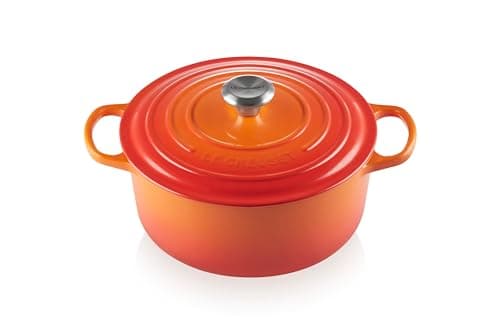
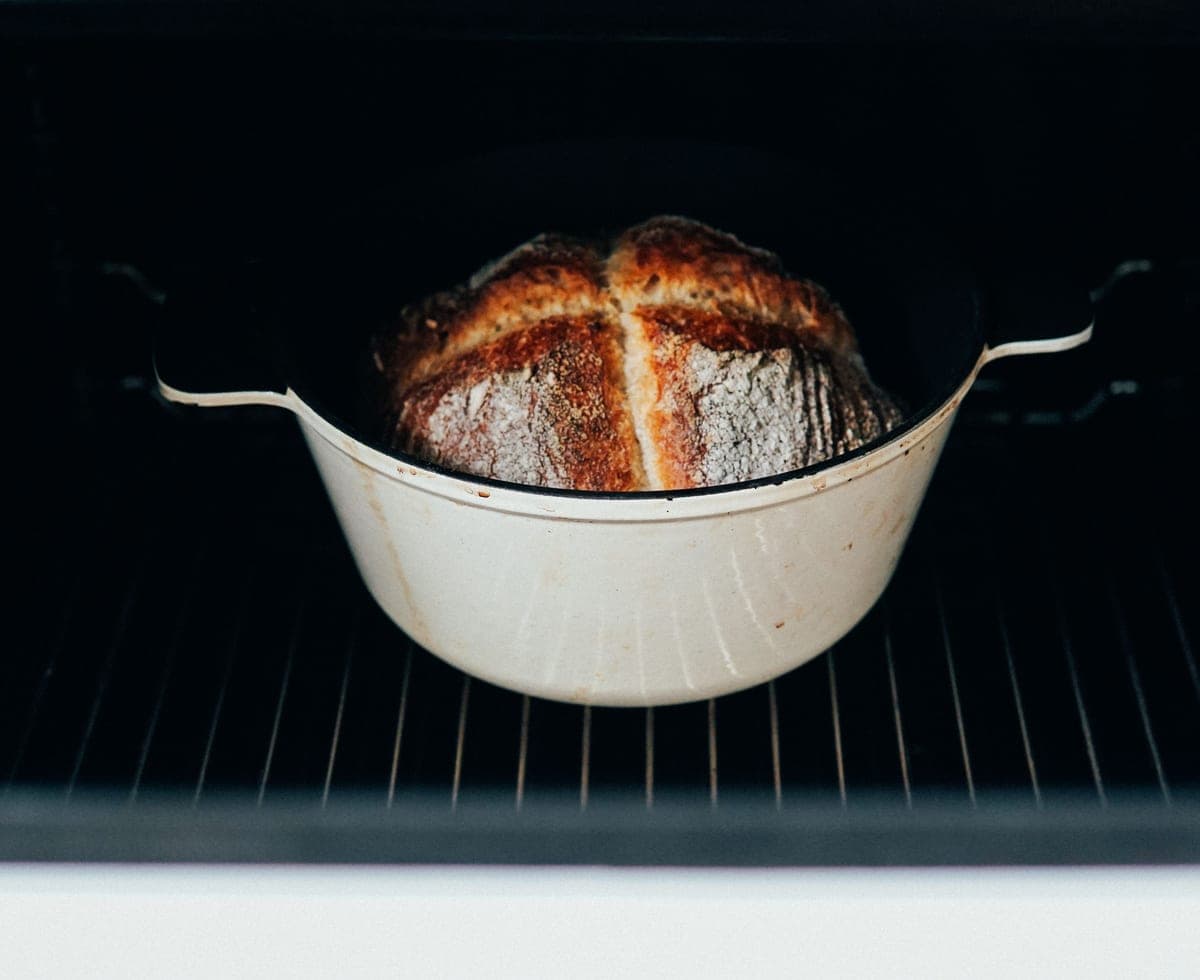
Across every enameled pot here, the iron underneath is the same and the cooking is the same. The differences that justify a higher price are all about the enamel and the handling:
- Enamel toughness. Le Creuset and Staub enamel resists chipping better than the budget pots. If you’re rough on cookware or want it to outlive you, that’s the real argument for spending more.
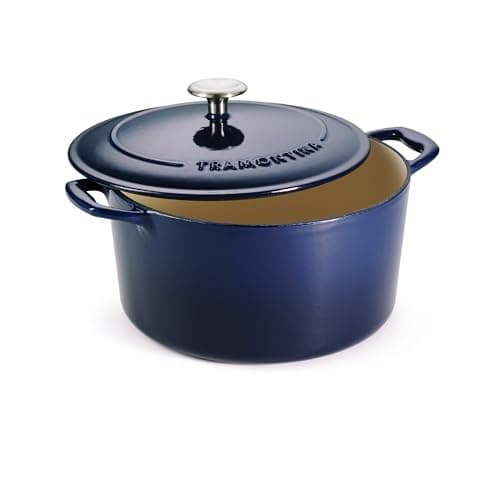
- Interior color. Le Creuset’s light interior lets you read a fond and judge browning; Staub’s matte-black interior hides stains but also hides browning. Lodge and Tramontina use light interiors.
- Weight and knob. The French pots are a touch lighter, and their oven-safe temperature can depend on the knob — older Le Creuset phenolic knobs top out near 390°F, while current ones reach 500°F.
Le Creuset or Staub?
They cost about the same and cook about the same. Le Creuset’s light interior is friendlier for everyday cooking; Staub’s self-basting lid and dark interior are made for long braises. We break the decision down in full in Le Creuset vs Staub.
Should you buy an enameled skillet too?
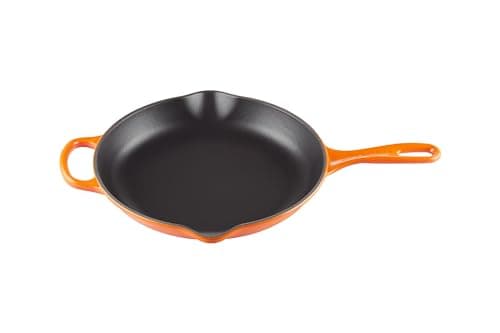
Probably not first. An enameled skillet skips seasoning and handles acidic food, but it doesn’t build the slick patina a bare cast iron skillet develops, and it costs many times more. Buy one only if you specifically want to cook acidic food in a skillet without maintaining seasoning — and if you do, our enameled skillet roundup covers the three worth considering.
Still deciding between enamel and bare iron?
It’s the pivotal cast iron decision and it deserves more than a paragraph. Our enameled vs bare comparison lays it out row by row — seasoning, acidic food, oven ceilings, durability and price — with a clear answer for each kind of cook. And because enamel has its own care rules rather than none at all, our enameled cleaning guide covers the baking-soda boil, the brown staining and the four things that genuinely damage a glass surface.
Four more places to look
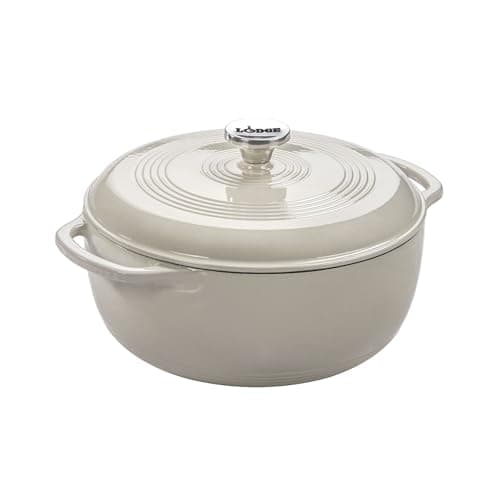
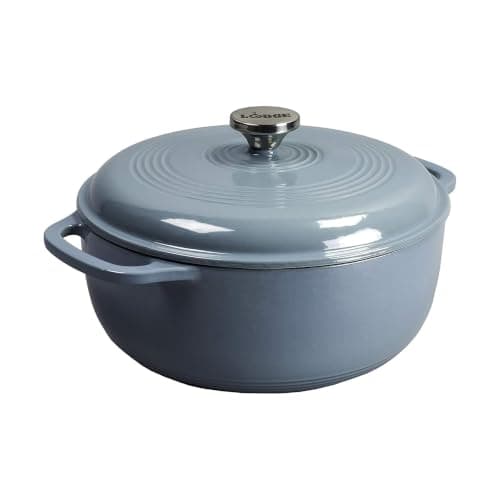
The pot most people should actually buy is the one we examine in the Lodge enameled dutch oven review — six quarts, rated to 500°F, at around a quarter of a French pot, with the two real compromises named. If price is the deciding factor, best budget enameled dutch ovens goes down to the floor of the market and sets out exactly what disappears along the way. If the shape matters more than the depth, best cast iron braisers covers the short, wide pans that brown properly before they braise. And if you have read something worrying about lead or chipped enamel, is enameled cast iron safe answers it from what the FDA actually regulates. And for the comparison most people are really making in front of the shelf, Lodge vs Staub puts the budget pot against the French one on published figures — including a Staub body rated to 900°F that its own knob caps at 500°F, which is exactly the number Lodge publishes for its whole enamel line.
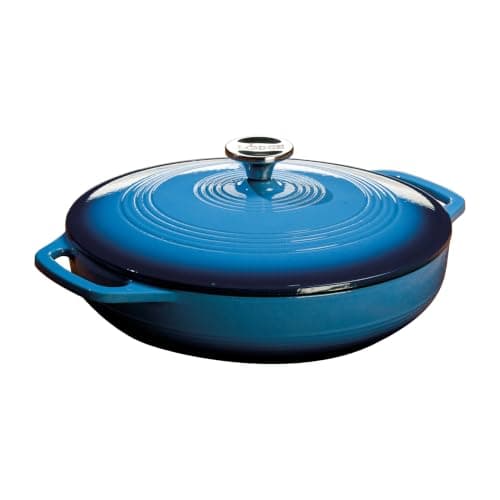
Two newer pages answer the questions that follow a purchase. Before you buy a braiser at all, cast iron braiser vs skillet settles whether the lidded pan is genuinely a third pan you need or a duplicate of one you own. And when the worst happens, chipped enameled cast iron sorts the damage by location — rim and exterior chips are cosmetic, a chip in the cooking surface retires the pot — with the makers’ own published causes, warranty terms and conspicuous silence on repair.